Personal Taxation

Personal Taxation

Monitoring & Compliance

Monitoring & Compliance: AIS, Notices, Advance Tax & Staying on the Right Side of the Line Filing your return is the start of the compliance cycle, not the end. This guide covers the data-driven tools you should check before filing — Form 26AS (tax credits), AIS (a comprehensive statement of income reported to the department from multiple sources), and TIS (a simplified summary) — along with the AIS “Feedback” mechanism for disputing incorrect entries. We cover advance tax obligations (instalments due 15% by June 15, 45% by Sept 15, 75% by Dec 15, 100% by March 15, with interest under Sections 234B/234C for shortfalls — and an exemption for senior citizens without business income), the common notices you might receive (143(1) intimation, 139(9) defective return, 142(1) inquiry, 148 reassessment) and how to respond, the shift to faceless assessment via the e-Proceedings portal, the penalty structure (234F late fee, 234A interest, 270A under/misreporting penalties up to 200%), and practical record-keeping guidance given ITR-U’s new 48-month correction window.
Personal Taxation

Wealth Creation & Capital Gains

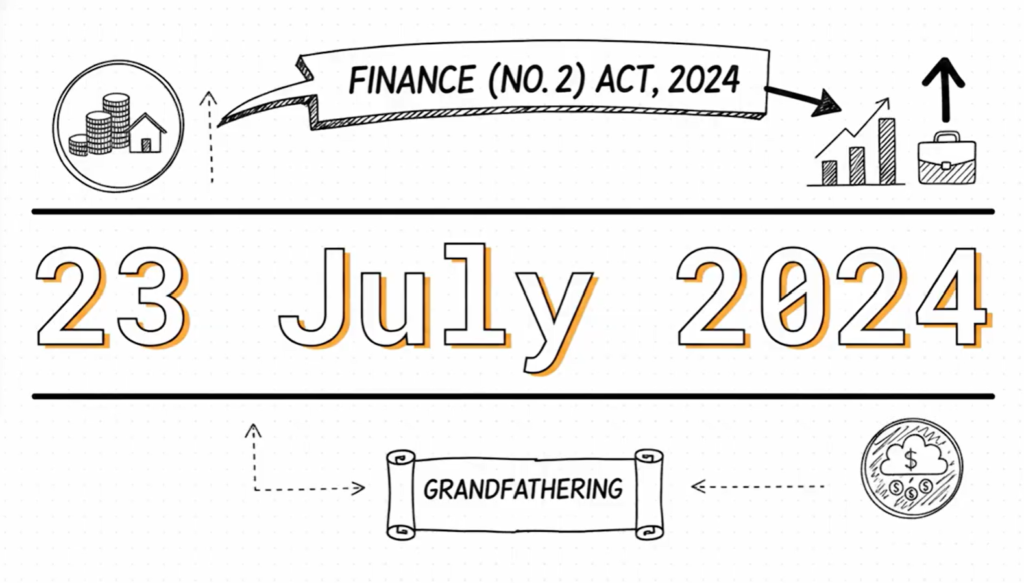
Wealth Creation & Capital Gains: The Rules That Changed in 2024 — and What They Mean Now Capital gains taxation was overhauled by the Finance (No. 2) Act, 2024, effective from 23rd July 2024 — and these rules are now firmly in effect for FY 2025-26 filings. This guide explains the simplified two-tier holding period (12 months for listed securities, 24 months for everything else), the current rates (12.5% LTCG without indexation on most assets; equity LTCG at 12.5% above a ₹1.25 lakh annual exemption; equity STCG at 20%; debt funds taxed at slab rate regardless of holding period), and — most importantly — the grandfathering provisions: for property bought before 23rd July 2024, resident individuals/HUFs can choose the lower of 12.5% without indexation or 20% with indexation (NRIs cannot); for equity bought before 31st January 2018, the cost base resets to January 2018 fair market value. We also cover capital loss set-off rules (STCL vs both gains, LTCL vs LTCG only, 8-year carry-forward), unchanged Section 54/54EC/54F rollover exemptions, and flag recent STT rate increases for active traders to verify directly.

Personal Taxation

Filing Returns: New Forms & Processes for AY 2026-27

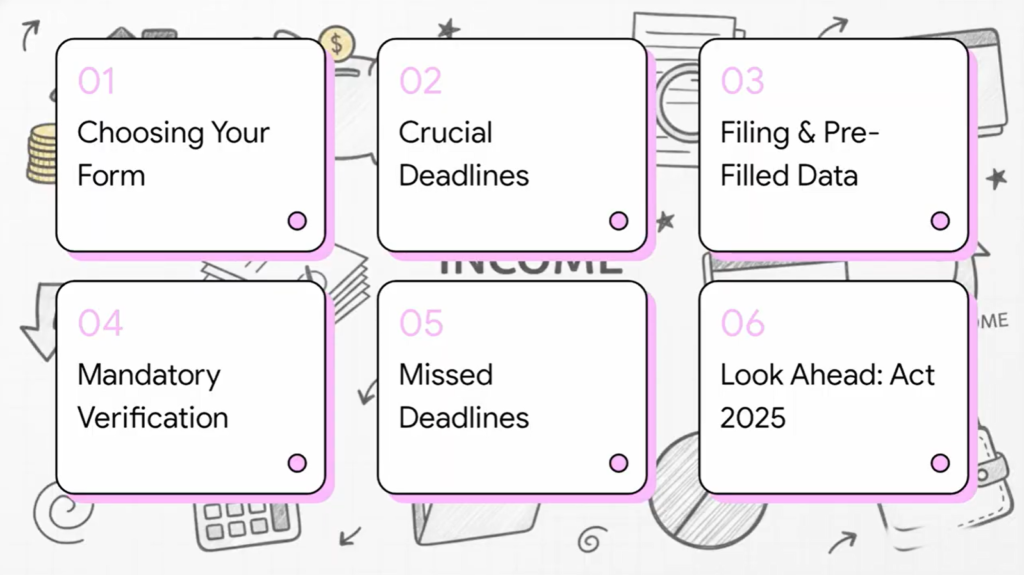
Filing Returns: New Forms & Processes for AY 2026-27 Filing season 2026 is the last cycle under the Income Tax Act, 1961 before the new Income Tax Act, 2025 takes over for FY 2026-27 onwards. This guide covers which ITR form applies to you (including ITR-1’s newly expanded scope to include limited LTCG under Section 112A), the standard due dates for AY 2026-27 (31st July for most individuals, with later dates for audit and transfer-pricing cases), how to verify — not just accept — pre-filled return data, the critical and often-missed 30-day e-verification step, and your options if you miss a deadline: revised return (Section 139(5), cleanest option), belated return (Section 139(4), with a 234F late fee), or ITR-U (Section 139(8A), now extended to a 48-month window but always increases tax liability). We close with a preview of the “Tax Year” terminology and extended revision window coming under the new Act from 2027.

Personal Taxation

Deductions & Exemptions

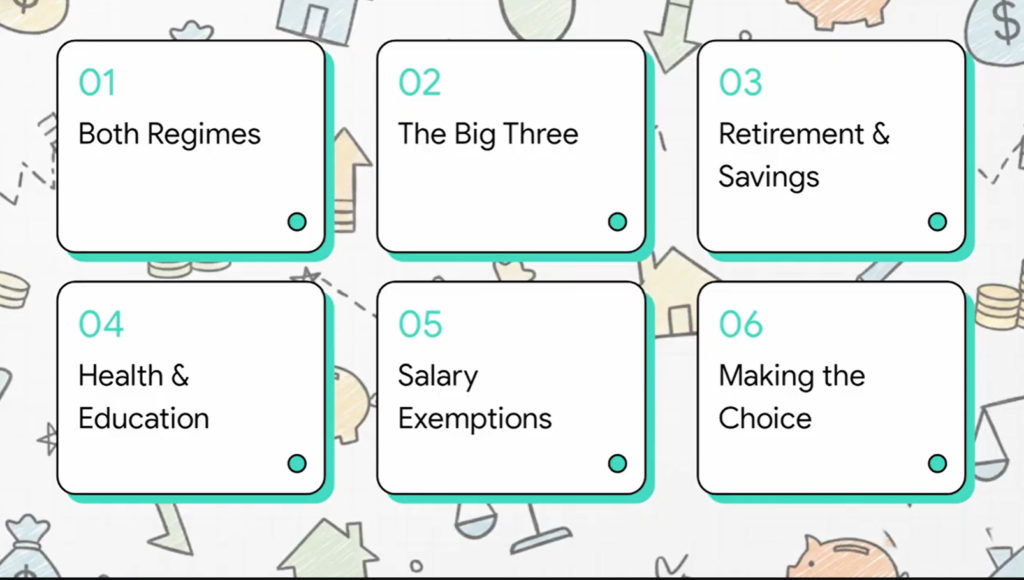
Deductions & Exemptions: The Complete Old-Regime Toolkit (and What Survives Under the New) This guide is a practical reference to every major deduction and exemption available to Indian individual taxpayers, organised by regime availability. Available under both regimes: Standard Deduction (₹75,000/₹50,000), Section 80CCD(2) employer NPS contribution (up to 14% of salary — a standout benefit that survives the new regime), 80CCH (Agniveer Corpus Fund), and the family pension deduction. Old regime only: the “big three” — Section 80C (₹1.5 lakh, covering EPF/PPF/ELSS/insurance/tuition), Section 80D (health insurance, up to ₹75,000 combined for self and senior-citizen parents), and home loan interest (₹2 lakh for self-occupied property) — plus 80CCD(1B) (₹50,000 additional NPS), 80TTA/80TTB (savings/senior interest), 80E (uncapped education loan interest), 80DD/80DDB (disability and critical illness), 80G (donations), and the salary exemptions HRA and LTA. We close with a practical three-step framework for the annual old-vs-new regime decision.

Personal Taxation

Tax Components

Tax Components: From Salary Structure to Final Tax Liability This guide breaks down two stacks of numbers every taxpayer encounters. First, your salary structure: Basic (taxable, and the base for HRA/EPF/gratuity calculations), HRA and LTA (exempt under Sections 10(13A) and 10(5), old regime only), Standard Deduction (₹75,000 new regime / ₹50,000 old regime — available to all salaried/pensioners), and perquisites including ESOPs. Second, the tax computation stack: slab-based tax → Section 87A rebate (zeroing tax up to ₹12 lakh new regime / ₹5 lakh old regime, with marginal relief) → surcharge for incomes above ₹50 lakh (capped at 25% under the new regime vs 37% under the old) → 4% Health & Education Cess → final liability, reconciled against TDS, TCS, advance tax, and self-assessment tax already paid.

Book an Appointment Form