
Retirement Planning

Retirement Planning

Know Your ESIC Coverage

Know Your ESIC Coverage ESIC provides comprehensive medical care plus sickness, maternity, disability, and dependants’ benefits to employees earning ₹21,000/month or less (₹25,000 for persons with disabilities) — for a contribution of just 0.75% of wages (employer pays 3.25%). This guide explains what counts as “wages” for the ceiling calculation (a common source of payroll errors), the full range of benefits available, the often-misunderstood rule that benefits continue for roughly six months after an employee crosses the wage ceiling, how ESIC and private health insurance complement rather than replace each other, and how to check your own coverage via your payslip, e-Pehchan card, or the ESIC portal.

Retirement Planning

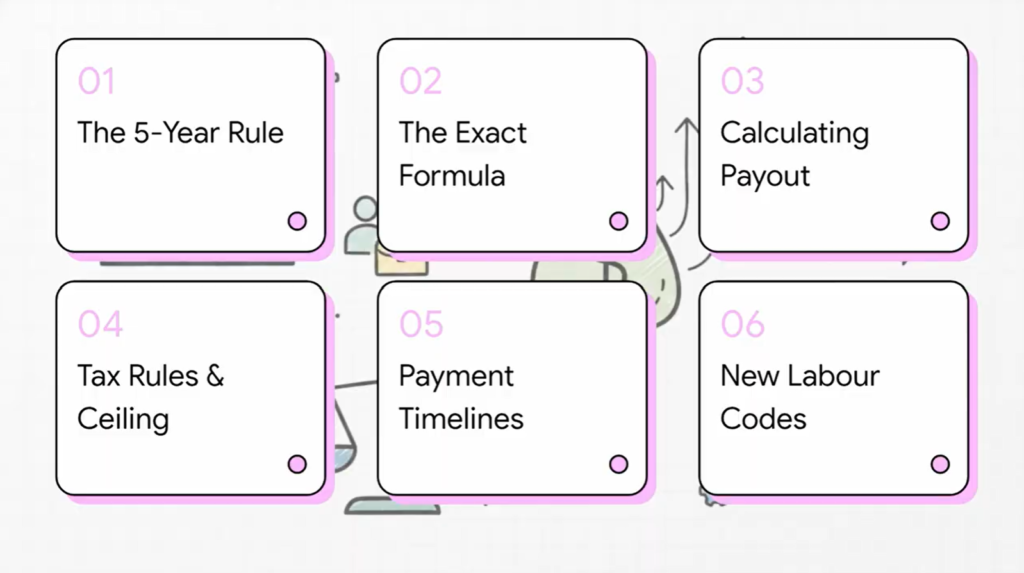
How Much Gratuity Will You Get?

How Much Gratuity Will You Get? Gratuity is a legal entitlement, not a discretionary bonus — and the formula is simple enough to calculate yourself: (15 ÷ 26) × Last Drawn Basic+DA × Completed Years of Service, payable after 5 years of continuous service (waived for death/disability). This guide walks through worked examples, the ₹20 lakh tax-exemption ceiling (with anything above taxed at slab rate), the 30-day payment deadline with 10% interest penalty for delays, and a development worth tracking: the new Labour Codes’ “50% of CTC as wages” rule, which could increase the Basic+DA component used in this formula — and therefore future gratuity payouts — for many employees as employers adjust salary structures.

Retirement Planning

EDLI — Employees’ Deposit Linked Insurance Scheme

EDLI — Employees’ Deposit Linked Insurance Scheme EDLI is an automatic, employer-funded life insurance cover bundled with every EPF membership — at zero cost to the employee. This guide explains the payout formula (35× average monthly wages capped at ₹15,000, i.e., up to ₹5,25,000, plus a PF-balance-linked bonus of up to ₹1,75,000, for a maximum total of ₹7 lakh, with a minimum assured benefit of ₹2.5 lakh for those with 12 months continuous service), who’s covered (automatic for all EPF members, no minimum service required), and how to claim (Form 5 IF, via the registered nominee). Most importantly, it explains why this benefit so often goes unclaimed — and why keeping your EPF nomination updated and making your family aware of EDLI is one of the simplest, highest-value actions in this entire series.

Retirement Planning

Employees’ Provident Fund: Do’s and Don’ts

Employees’ Provident Fund: Do’s and Don’ts EPF is one of the most powerful retirement tools available to salaried Indians — but only if managed correctly across a career. This guide is a practical do’s-and-don’ts checklist: activate and verify your UAN and KYC (Aadhaar/PAN/bank), keep nominations updated after life events, consolidate old accounts via Form 13 when changing jobs, and periodically check your passbook against your payslip. On the don’t side: avoid withdrawing on every job change (it breaks compounding on an 8.25% tax-free instrument), don’t let accounts go dormant beyond 36 months (interest becomes taxable), fix document mismatches before they become urgent, and never assume employer contributions are being deposited without checking.

Retirement Planning

Psychology: The “Day After”

Psychology: The “Day After” Financial planning prepares you for the day you stop earning — but rarely for the identity, structure, and social changes that follow. This guide explores the well-documented “retirement shock” phenomenon, and introduces the concept of a “Life Portfolio” built on four pillars: Purpose (what replaces work’s sense of meaning), Routine (deliberate daily structure), Relationships (social connections beyond the workplace), and Health. We also cover phased/“bridge” retirement as a way to ease the transition (and reduce pressure on your corpus in early years), the often-overlooked adjustment of couples suddenly spending much more time together, and a practical “trial retirement” exercise to test your planned routine before making it permanent.

Retirement Planning

Modern Retirement Identities: The FIRE Framework

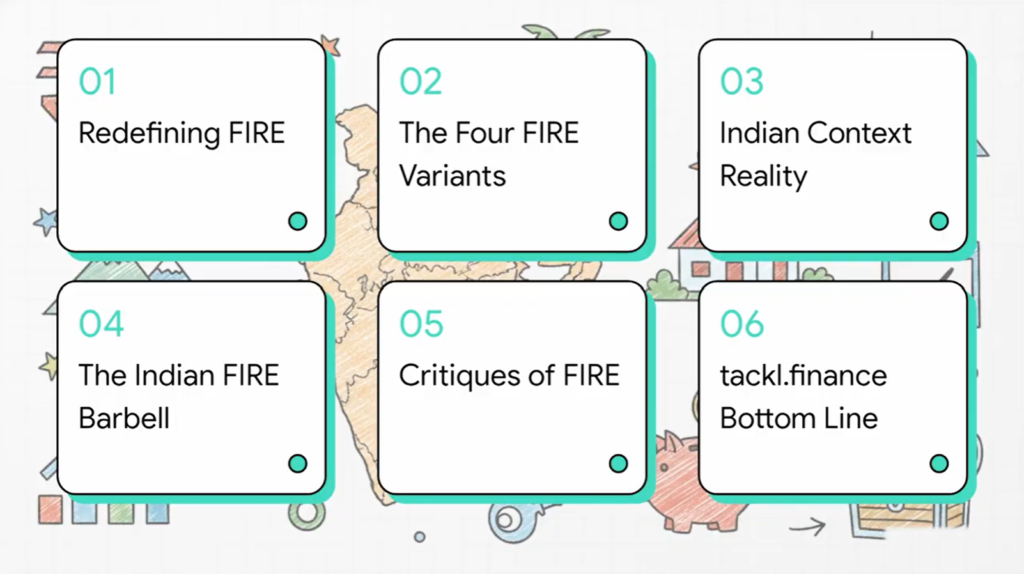
Modern Retirement Identities: The FIRE Framework FIRE (Financial Independence, Retire Early) is built on the “4% Rule” and “25x annual expenses” framework from the US Trinity Study — essentially the same corpus-multiplier math used in traditional retirement planning (Topic 1), applied at an earlier age. This guide explains the major FIRE variants (LeanFIRE, FatFIRE, BaristaFIRE, CoastFIRE), and — importantly — why Indian FIRE aspirants need to adjust the original framework: higher general and healthcare inflation, the absence of an equivalent social safety net, and much longer retirement horizons all argue for a more conservative withdrawal rate (3–3.5% rather than 4%) and a larger explicit healthcare corpus. We also cover the “barbell” portfolio approach suited to early retirees, and the honest risks — sequence-of-returns risk, longevity risk, and the psychological transition covered in Topic 11.

Retirement Planning

Estate Planning Basics

Estate Planning Basics Estate planning is a system of interconnected tools — not just a will. This guide covers what makes a will valid (witnesses, registration, regular updates), the crucial and widely misunderstood distinction between a nominee (who courts have held to generally act as a trustee, not an automatic owner) and a will-based beneficiary, how joint “Either or Survivor” accounts provide liquidity without replacing the will, the role of Power of Attorney during your lifetime, when trusts become useful, the often-overlooked area of digital assets, what happens if you die without a will (intestate succession under laws like the Hindu Succession Act), and the regional probate requirement that applies specifically to immovable property in Mumbai, Kolkata, and Chennai.

Retirement Planning

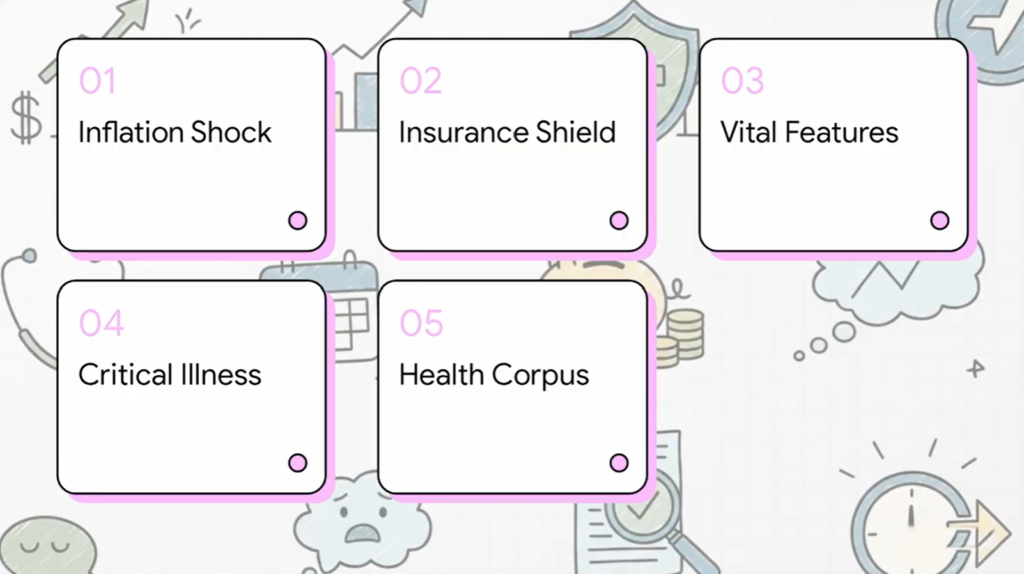
Healthcare Inflation and Retirement

Healthcare Inflation and Retirement Healthcare costs in India rise at roughly 12–14% per year — nearly double general inflation — making it the most commonly underestimated line item in retirement planning. This guide explains why healthcare needs its own corpus calculation (using a higher inflation rate), how to structure health insurance using a base policy plus super top-up for cost-efficient large cover, which features matter most for seniors (restoration benefit, no-claim bonus, portability, and pre-existing disease waiting periods — making early purchase essential), the role of critical illness cover as a lump-sum supplement, and the Ayushman Bharat PM-JAY Vaya Vandana Yojana, which extends ₹5 lakh/year coverage to all citizens aged 70+ regardless of income — a valuable safety net, but not a substitute for private cover and dedicated planning.

Retirement Planning

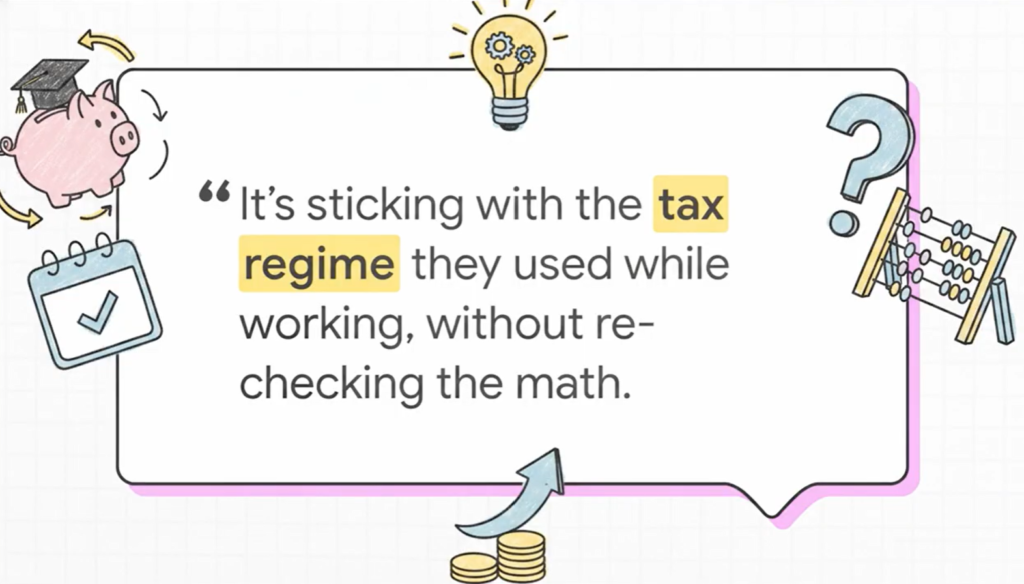
Tax Planning in Retirement

Tax Planning in Retirement Retirement changes your income mix entirely — from salary to interest, pension, annuities, and capital gains — and your tax strategy needs to change with it. This guide covers the annual old-vs-new regime decision (new regime: zero tax up to ₹12–12.75 lakh for FY 2025-26; old regime: higher senior citizen exemptions plus Section 80TTB’s ₹50,000 interest deduction), the critical role of Form 15H in avoiding unnecessary TDS, how to stack tax-free lump sums from EPF, PPF, Gratuity, and NPS, how to use the ₹1.25 lakh annual capital gains exemption to make part of your SWP income effectively tax-free, and why most retirees — unlike salaried employees — need to actively track advance tax obligations (though seniors without business income are exempt from this).

Retirement Planning

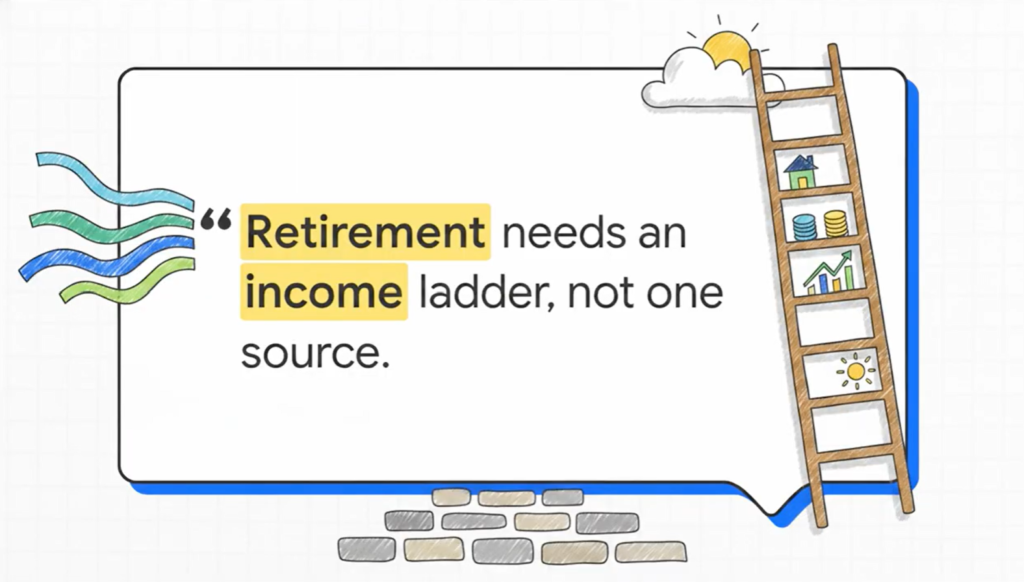
Generating Post-Retirement Income

Generating Post-Retirement Income: SCSS, Annuities, SWP & Reverse Mortgage Retirement income shouldn’t depend on one product — it should come from an “income ladder” combining several sources, each suited to a different need. This guide shows how to combine SCSS (8.2%, quarterly payouts, up to ₹30 lakh) for guaranteed floor income, annuities for lifelong essential coverage, SWP from mutual funds for flexible and tax-efficient discretionary spending, and — for those who are asset-rich but cash-poor — a Reverse Mortgage Loan that unlocks home equity tax-free (under Section 10(43)) without giving up ownership or the right to live in the property. We also touch on POMIS and FD laddering as supplementary rungs, and show how the new NPS flexibility (Topic 5) makes building this ladder easier than ever before.

Book an Appointment Form