

Author name: Rakshith

ECONOMY

Economic Impact of Govt. Pay Revisions

Economic Impact of Govt. Pay Revisions When the public sector institutes a massive structural raise, the resulting wealth effect triggers a powerful wave across the entire domestic economy. Coordinated salary adjustments like the 8th Pay Commission pour immediate liquidity into the hands of nearly 50 million state workers and pensioners. Before you dismiss public wage policies as irrelevant to your private business or investments, you need to ask a much harder question: “How do I position my capital to catch the massive consumption super-cycle?”  Capitalizing on government pay overhauls requires tracking the predictable sequence of consumer spending waves: An institutional wage revision operates as a massive stimulus package for the middle class; missing the signal means ignoring the primary driver of near-term market demand.  Watch this video to build your 2026 consumption investment playbook and learn how to align your business offerings with the surging public sector market.
ECONOMY

Salary Growth vs. Inflation

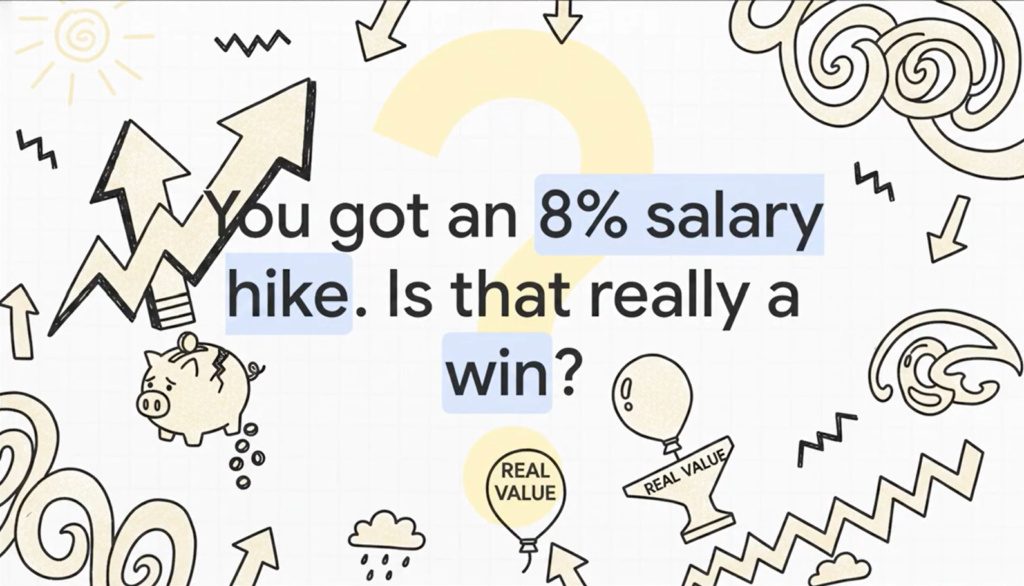
Salary Growth vs. Inflation Securing a nominal 8% or 10% annual raise on your corporate appraisal letter feels like a definitive milestone of professional advancement. However, if the underlying cost of your survival climbs by 6% in that same timeframe, your real wealth accumulation is drastically smaller than it appears. Before you celebrate your next corporate raise, you need to ask a much harder question: “Am I actually expanding my real global purchasing power, or am I just running in place?”  Calculating your true financial trajectory requires indexing your compensation to real-world living costs: Failing to aggressively resist lifestyle creep as your income ticks upward ensures you remain trapped on an economic treadmill regardless of your salary scale.  Watch this video to run a precise real-terms audit on your appraisal and discover how to transition into high-alpha skills that comfortably outpace inflation. 

ECONOMY

Macro Signals – How to Predict a Job Market Storm

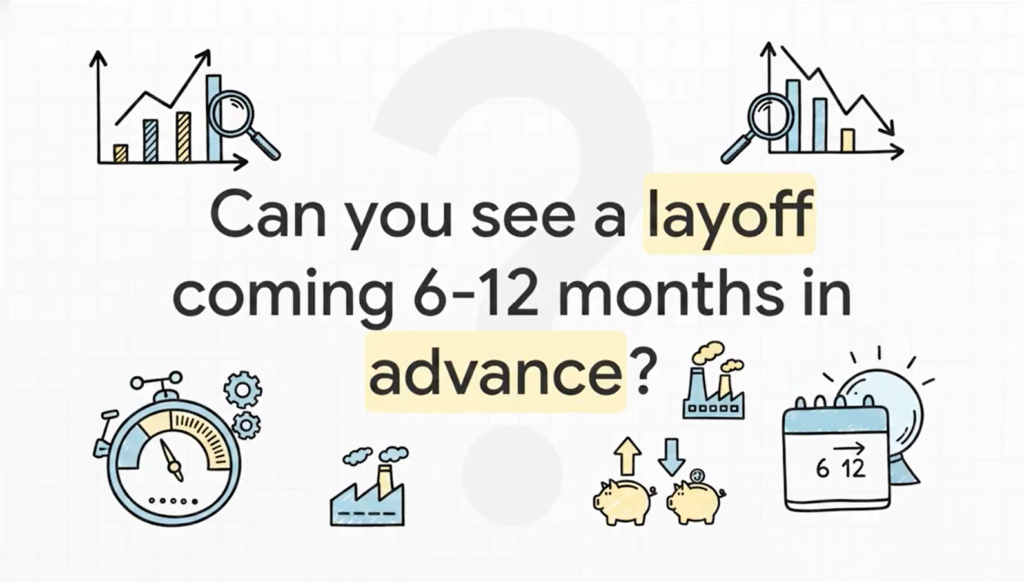
Macro Signals – How to Predict a Job Market Storm Corporate layoffs, startup winters, and institutional hiring freezes rarely materialize out of nowhere on a random Monday morning. They are the ultimate lagging indicators of a prolonged macroeconomic domino effect that leaves a long trail of warning signs months in advance. Before you assume your current corporate role is completely secure, you need to ask a much harder question: “Am I actively reading the leading macro signals that dictate my department’s hiring budget?”  Predicting an upcoming professional storm requires monitoring the core operational pulses of the business world: Failing to track the cost of capital means leaving your career entirely exposed to macro shocks; economics is the signal, and your salary is the echo.  Watch this video to build your personalized Job Security Scorecard and learn how to insulate your emergency fund before a sector freeze hits.

ECONOMY

 Safety Net for Gig Workers

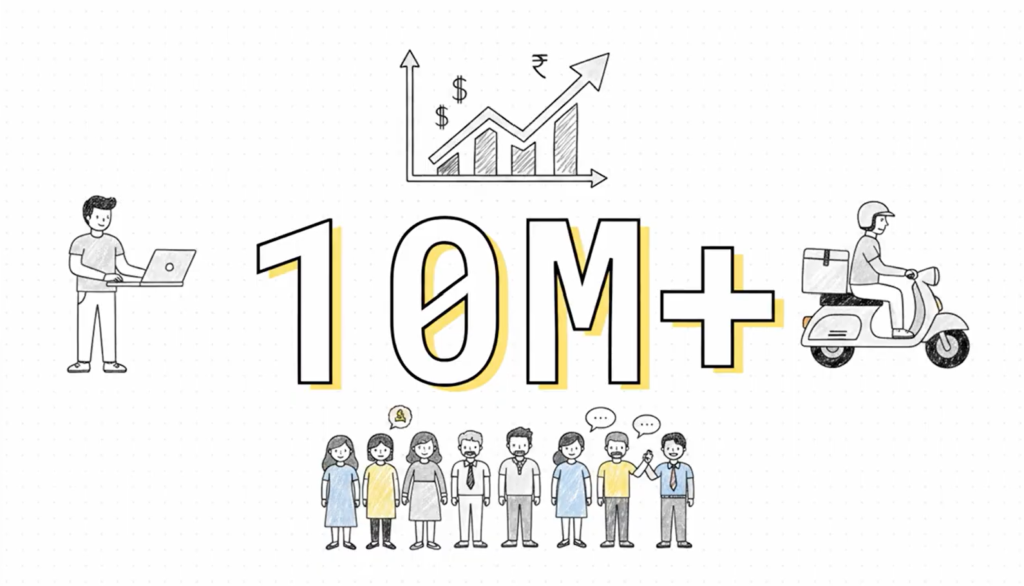
 Safety Net for Gig Workers The traditional corporate structure is no longer the absolute default, as India’s booming gig economy has rapidly surged past 10 million independent professionals. While operating without a boss grants unparalleled freedom, it forces you to become your own corporate HR, finance department, and insurance manager. Before you celebrate the flexibility of independent consulting or freelance development, you need to ask a much harder question: “Can my personal cash flow withstand a sudden shift in platform algorithms or client cycles?”  Constructing a corporate-grade safety net as an independent worker means mastering three critical financial pillars: Operating without automated structural guardrails demands extreme financial discipline; a self-built net is your only shield against sudden market crises.  Watch this video to deploy a flawless advance tax framework and discover how to engineer your credit profile without a standard salary slip. 

ECONOMY

Formal vs. Informal Employment

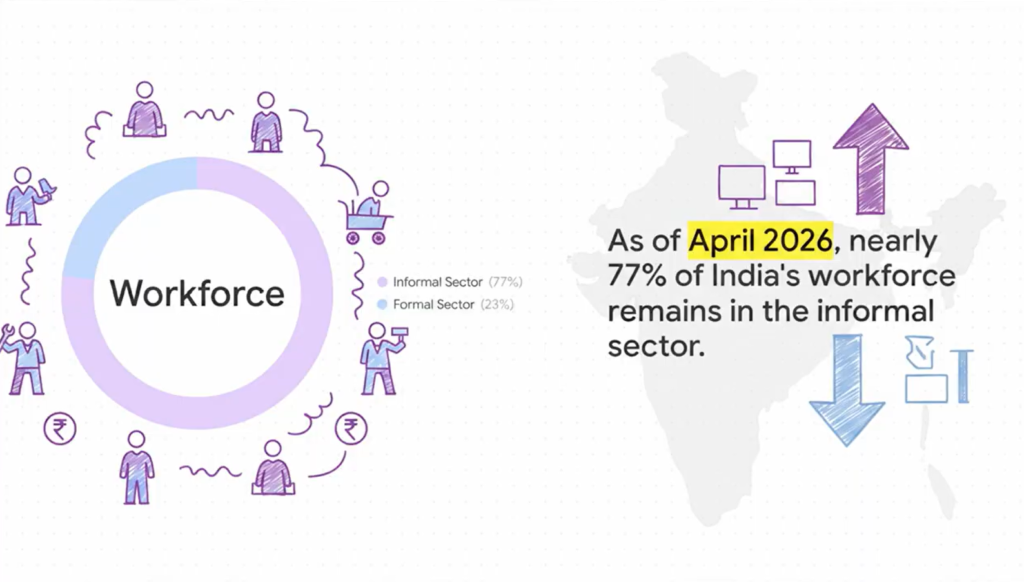
Formal vs. Informal Employment India’s employment landscape remains strictly divided into two completely different worlds: one secured by institutional safety nets, and another operating as a high-wire survival act. Despite rapid digital transformation, a staggering 77% of the domestic workforce remains locked inside the volatile informal sector. Before you accept a higher-paying contract role over a standard payroll offer, you need to ask a much harder question: “Am I mathematically accounting for the true value of an institutional safety net?”  Protecting your financial independence across your career requires evaluating the hidden parameters of employment structures: Formal employment is an elite financial privilege in India; if you operate outside of it, you must build your own defence network immediately.  Watch this video to master the DIY safety net playbook and learn how to utilize upcoming labour codes to protect your independent career.

ECONOMY

Remittances and How They Affect Indian Economy

Remittances and How They Affect Indian Economy India stands as the undisputed global champion of remittances, with non-resident Indians sending back a record-breaking $135.4 billion in the 2025-26 fiscal year. This massive stream of dollar inflows serves as the silent fuel propelling domestic middle-class consumption and economic growth. Before you process your next international money transfer through a traditional bank, you need to ask a much harder question: “How much of my global dividend is being quietly siphoned off by hidden institutional markups?”  Maximizing the value of NRI inflows means understanding their profound macroeconomic and personal impacts: Don’t settle for standard retail bank exchange rates that quietly drain your wealth; leverage optimized digital platforms to protect your currency transfers.  Watch this video to discover how to time your remittances with currency cycles and learn the ultimate banking hacks for tax-free NRI accounts. 

ECONOMY

Investing in International Funds

Investing in International Funds For an Indian investor in 2026, international funds are no longer just an exotic addition to a portfolio; they are a strategic necessity. However, when you invest globally, your net returns operate as a “double-decker” cake driven equally by stock performance and underlying currency fluctuations. Before you blindly chase international market rallies, you need to ask a much harder question: “Am I prepared to handle the unique tax and currency risks that govern foreign assets?”  Diversifying your portfolio across global boundaries means tracking three distinct investment layers: Don’t let home-country bias restrict your wealth building; allocation to international funds provides vital currency insurance against a falling rupee.  Watch this video to master the mechanics of international asset allocation and learn how to navigate the latest tax rules for maximum global returns. 

ECONOMY

Dollar-Rupee and Your Petrol Price

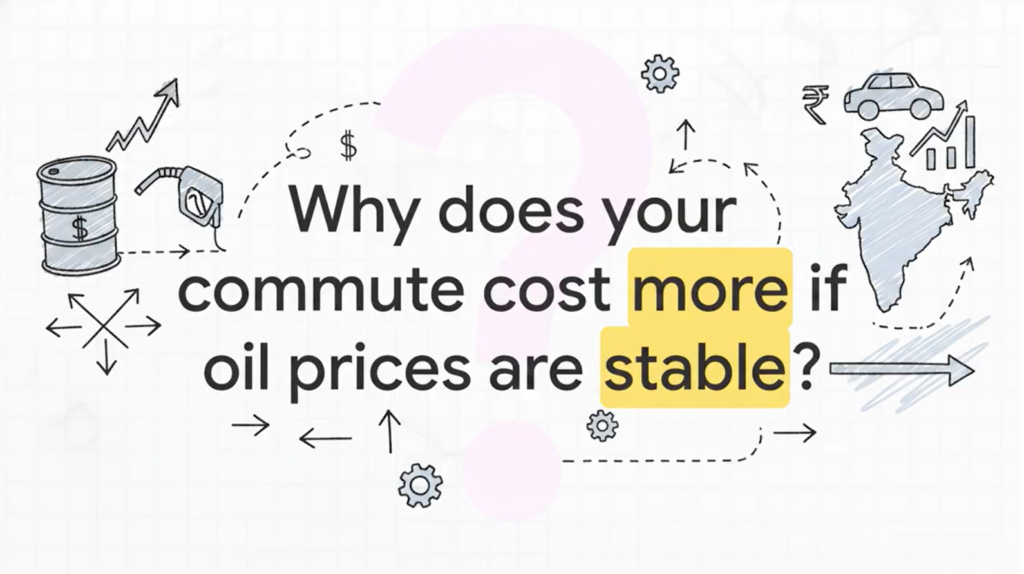
Dollar-Rupee and Your Petrol Price In the Indian ecosystem, petrol and diesel function as the absolute base currency of the entire economy. Because we depend on global markets for 85% of our crude oil, the price you pay at the local pump is a direct product of currency trading floors in Mumbai and oil pits in London.  Before you write off a sudden spike in fuel costs as a minor commuting inconvenience, you need to ask a much harder question: “How rapidly will this currency translation tax ripple into my baseline grocery bill?”  Decoding how a localized macro shock moves through the economy means tracking three specific waves: Your daily auto-rickshaw fare is a global index that directly mirrors macroeconomic tensions in West Asia, federal tax policies, and the structural strength of the US dollar.  Watch this video to decouple your everyday commute from the dollar game using strategic hedges, and learn how to manage your monthly budget against upcoming fuel-driven inflation waves.

ECONOMY

Strong Rupee vs Weak Rupee: Who Wins and Who Loses?

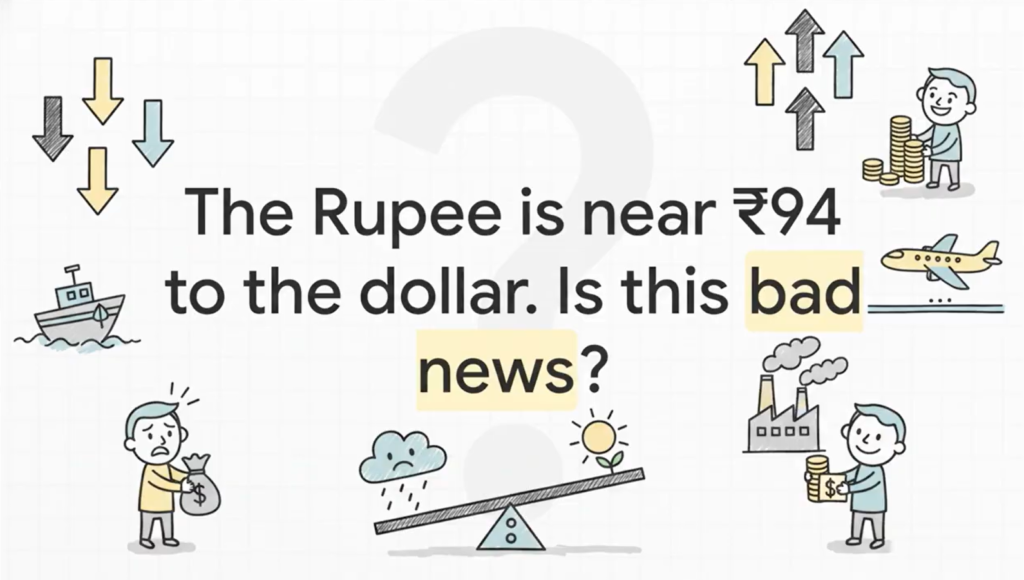
Strong Rupee vs Weak Rupee: Who Wins and Who Loses? On the global financial chessboard, the strength of a currency is never a simple story of national success or failure. Trading near ₹93.32 per dollar in April 2026 due to steep oil prices and West Asia tensions, a weakening rupee triggers a massive, systemic redistribution of wealth across society.  To accurately position your household against these global crosscurrents, you must answer a vital question: “Does my specific personal income profile place me in the winners’ circle or the losers’ circle of currency movement?”  Dissecting where you sit in this complex economic shift requires understanding the currency trade: A weak rupee acts as a powerful export subsidy for producers but operates as a restrictive import tax for global consumers; you must align yourself to the winning side of the trade.  Watch this video to analyse your personal currency profile and discover how to strategically hedge your lifestyle using international diversification and targeted local assets. 

ECONOMY

Capital Gains Tax Changes

Capital Gains Tax Changes In an era of strong 7.6% real GDP growth, tax is far more than a simple automated deduction on your investment dashboard. It is the most persistent leaky pipe in your financial engine, silently dictating the real, inflation-adjusted size of your ultimate retirement nest egg.  Before you panic-sell your assets based on volatile breaking-news headlines on Budget Day, you need to ask a much harder question: “What is the true internal rate of return on my portfolio after accounting for both tax slabs and lifestyle inflation?”  Optimizing your asset allocation under the current 2026 tax framework requires analyzing the investment plumbing: Time in the market will consistently beat trying to out-time the shifting tax cycle; don’t let the sticker price of a tax change alter a fundamentally sound compounding engine.  Watch this video to run a precise real-terms audit on your assets and learn how to optimize your portfolio across equity, debt, and international hedges under the current tax framework. 

Book an Appointment Form