
Author name: Rakshith

Retirement Planning

Modern Retirement Identities: The FIRE Framework

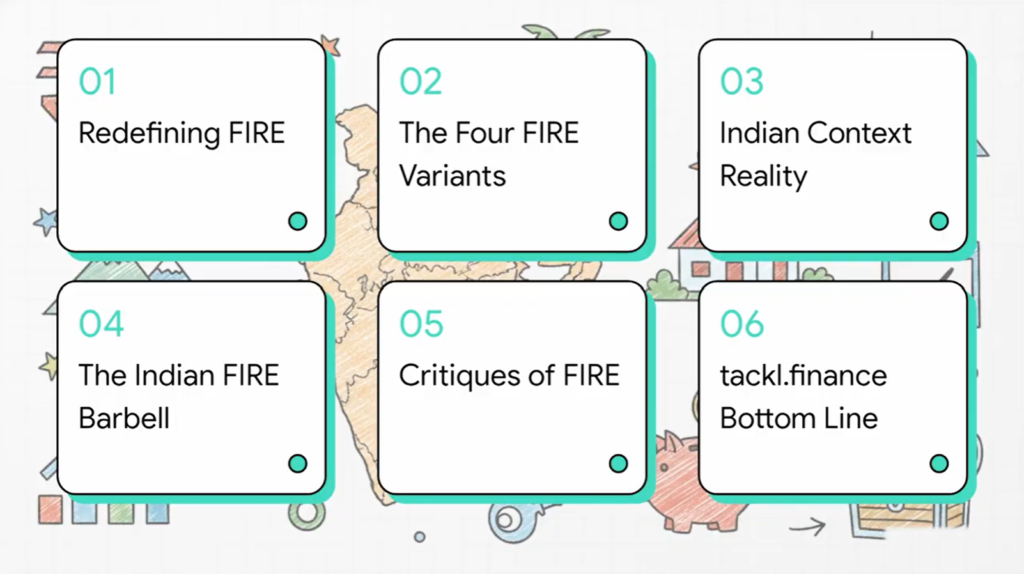
Modern Retirement Identities: The FIRE Framework FIRE (Financial Independence, Retire Early) is built on the “4% Rule” and “25x annual expenses” framework from the US Trinity Study — essentially the same corpus-multiplier math used in traditional retirement planning (Topic 1), applied at an earlier age. This guide explains the major FIRE variants (LeanFIRE, FatFIRE, BaristaFIRE, CoastFIRE), and — importantly — why Indian FIRE aspirants need to adjust the original framework: higher general and healthcare inflation, the absence of an equivalent social safety net, and much longer retirement horizons all argue for a more conservative withdrawal rate (3–3.5% rather than 4%) and a larger explicit healthcare corpus. We also cover the “barbell” portfolio approach suited to early retirees, and the honest risks — sequence-of-returns risk, longevity risk, and the psychological transition covered in Topic 11.

Retirement Planning

Estate Planning Basics

Estate Planning Basics Estate planning is a system of interconnected tools — not just a will. This guide covers what makes a will valid (witnesses, registration, regular updates), the crucial and widely misunderstood distinction between a nominee (who courts have held to generally act as a trustee, not an automatic owner) and a will-based beneficiary, how joint “Either or Survivor” accounts provide liquidity without replacing the will, the role of Power of Attorney during your lifetime, when trusts become useful, the often-overlooked area of digital assets, what happens if you die without a will (intestate succession under laws like the Hindu Succession Act), and the regional probate requirement that applies specifically to immovable property in Mumbai, Kolkata, and Chennai.

Retirement Planning

Healthcare Inflation and Retirement

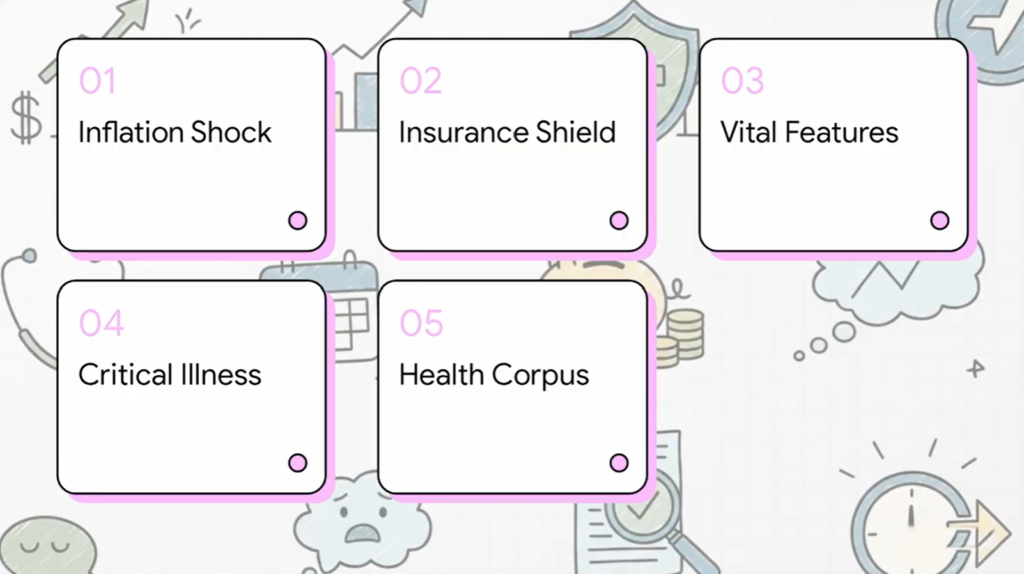
Healthcare Inflation and Retirement Healthcare costs in India rise at roughly 12–14% per year — nearly double general inflation — making it the most commonly underestimated line item in retirement planning. This guide explains why healthcare needs its own corpus calculation (using a higher inflation rate), how to structure health insurance using a base policy plus super top-up for cost-efficient large cover, which features matter most for seniors (restoration benefit, no-claim bonus, portability, and pre-existing disease waiting periods — making early purchase essential), the role of critical illness cover as a lump-sum supplement, and the Ayushman Bharat PM-JAY Vaya Vandana Yojana, which extends ₹5 lakh/year coverage to all citizens aged 70+ regardless of income — a valuable safety net, but not a substitute for private cover and dedicated planning.

Retirement Planning

Tax Planning in Retirement

Tax Planning in Retirement Retirement changes your income mix entirely — from salary to interest, pension, annuities, and capital gains — and your tax strategy needs to change with it. This guide covers the annual old-vs-new regime decision (new regime: zero tax up to ₹12–12.75 lakh for FY 2025-26; old regime: higher senior citizen exemptions plus Section 80TTB’s ₹50,000 interest deduction), the critical role of Form 15H in avoiding unnecessary TDS, how to stack tax-free lump sums from EPF, PPF, Gratuity, and NPS, how to use the ₹1.25 lakh annual capital gains exemption to make part of your SWP income effectively tax-free, and why most retirees — unlike salaried employees — need to actively track advance tax obligations (though seniors without business income are exempt from this).

Retirement Planning

Generating Post-Retirement Income

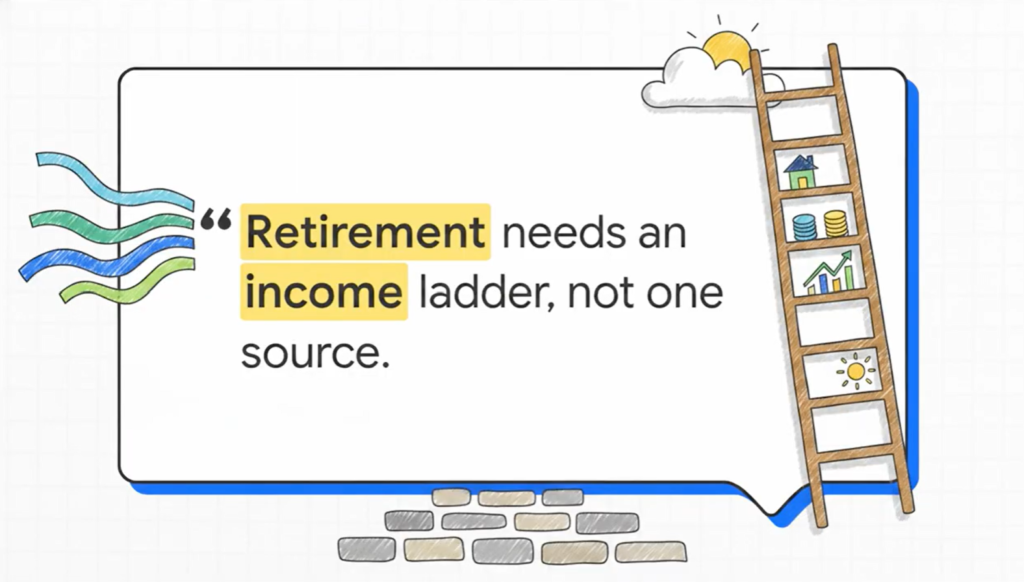
Generating Post-Retirement Income: SCSS, Annuities, SWP & Reverse Mortgage Retirement income shouldn’t depend on one product — it should come from an “income ladder” combining several sources, each suited to a different need. This guide shows how to combine SCSS (8.2%, quarterly payouts, up to ₹30 lakh) for guaranteed floor income, annuities for lifelong essential coverage, SWP from mutual funds for flexible and tax-efficient discretionary spending, and — for those who are asset-rich but cash-poor — a Reverse Mortgage Loan that unlocks home equity tax-free (under Section 10(43)) without giving up ownership or the right to live in the property. We also touch on POMIS and FD laddering as supplementary rungs, and show how the new NPS flexibility (Topic 5) makes building this ladder easier than ever before.

Retirement Planning

Retirement 2026: The ₹8 Lakh Rule, SUR, and the NPS 80:20 Rule

Retirement 2026: The ₹8 Lakh Rule, SUR, and the NPS 80:20 Rule December 2025 brought the biggest change to NPS withdrawal rules since the scheme’s launch. This guide explains the new PFRDA framework in three parts: the “₹8 Lakh Rule” (corpuses up to ₹8 lakh can be withdrawn 100% as lump sum, no annuity required), “SUR” or Systematic Withdrawal (for the ₹8–12 lakh band, ₹6 lakh can be taken immediately with the rest drawn down over a minimum 6 years or annuitised), and the new “80:20 Rule” (corpuses above ₹12 lakh now require only 20% mandatory annuitisation, up to 80% as lump sum — versus the earlier 60:40 split). We also cover the removed 5-year lock-in, the extended deferral age of 85, and flag the one open question: tax treatment of the additional 20% lump sum above the previously-exempt 60% is still awaited from tax authorities.

Retirement Planning

Annuities and Self-Managed Drawdowns

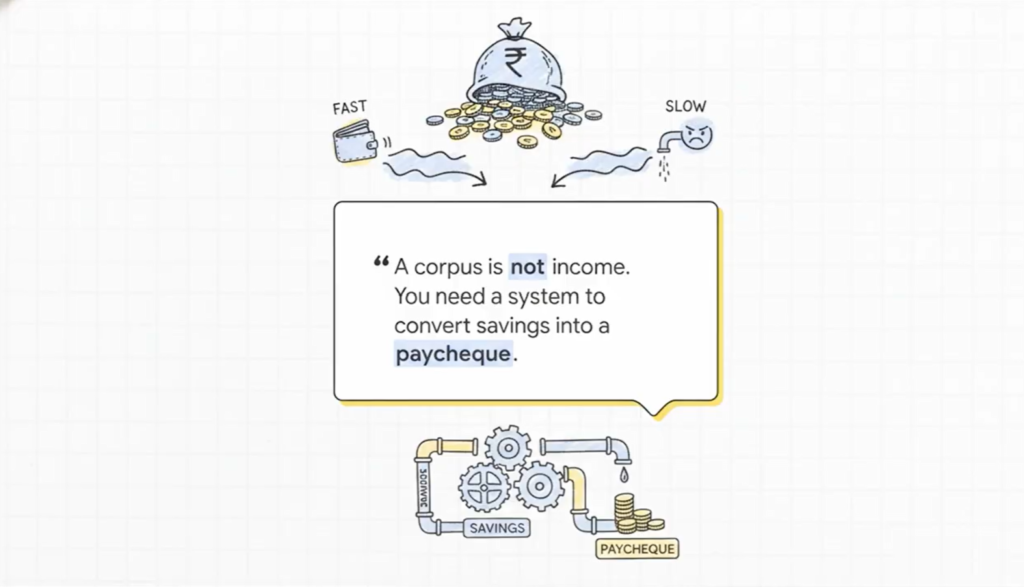
Annuities and Self-Managed Drawdowns Once you stop earning, your corpus needs to become an income stream — and you have two core options. Annuities (the “Annuity Alphabet” — Life, ROP, Joint Life, Annuity Certain, Increasing, Deferred) hand your money to an insurer in exchange for guaranteed payments for life, offering longevity protection but typically modest, taxable returns of 6–7%. Systematic Withdrawal Plans (SWPs) keep your corpus invested and let you withdraw periodically — offering flexibility and significant tax efficiency since only gains are taxed, but carrying market risk. This guide recommends a hybrid “floor + upside” approach: cover essential expenses with guaranteed income, and use SWP for the rest — and previews how the new 2025 NPS rules change the annuity equation entirely.

Retirement Planning

Building a Retirement Portfolio Using Mutual Funds

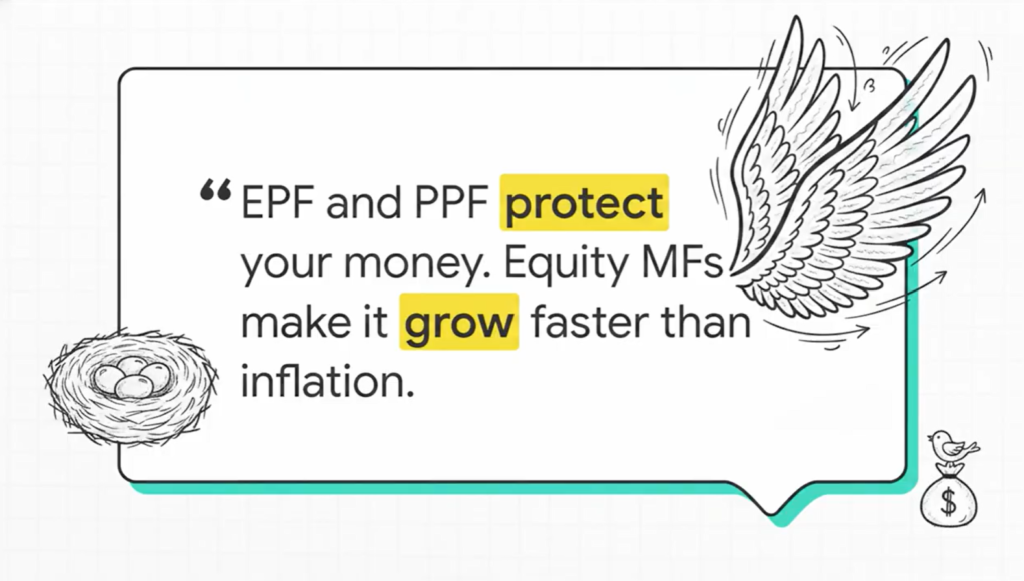
Building a Retirement Portfolio Using Mutual Funds Equity mutual funds are the engine that helps a retirement corpus outpace 6–7% inflation over 20–30 years — something pure debt instruments like EPF and PPF cannot do alone. This guide covers practical fund selection (index funds as a core, flexicap as a satellite, hybrid funds and debt funds as retirement nears), the “100 minus age” glide path for shifting from equity to debt as you age, the power of step-up SIPs, and the 3-bucket strategy that protects retirees from being forced to sell equity during a market crash. It closes with the current tax rules on equity (12.5% LTCG above ₹1.25 lakh/year) and debt fund gains, and how retirees can use the annual exemption to their advantage.

Retirement Planning

The Nest Building Tools

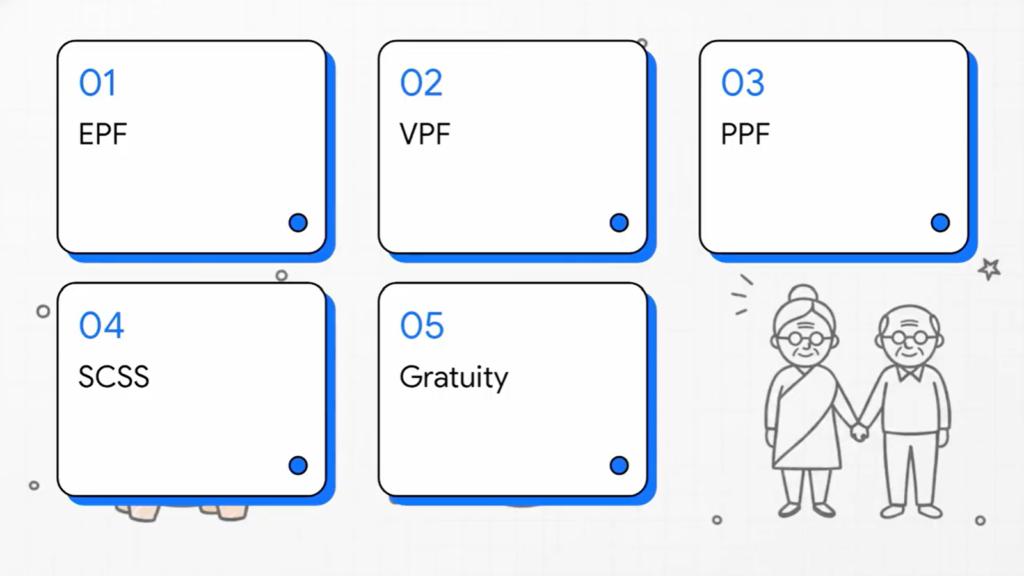
The Nest Building Tools: EPF, VPF, PPF, SCSS & Gratuity EPF, VPF, PPF, SCSS, and Gratuity form the guaranteed, government-backed foundation of an Indian retirement plan — the “nest.” This guide explains what each instrument does, current rates (EPF & VPF at 8.25%, PPF at 7.1%, SCSS at 8.2% for FY 2025-26/Q1 FY 2026-27), contribution limits, and tax treatment (most are EEE — exempt-exempt-exempt). VPF, often overlooked, lets high-earners voluntarily top up their EPF at the same guaranteed rate. SCSS and Gratuity are end-of-career payout tools rather than accumulation tools. Together these five instruments form a low-risk floor — but they don’t offer the equity growth needed to truly outpace inflation, which is where mutual funds and NPS come in.

Investing - The Basics

Taxation of Mutual Funds

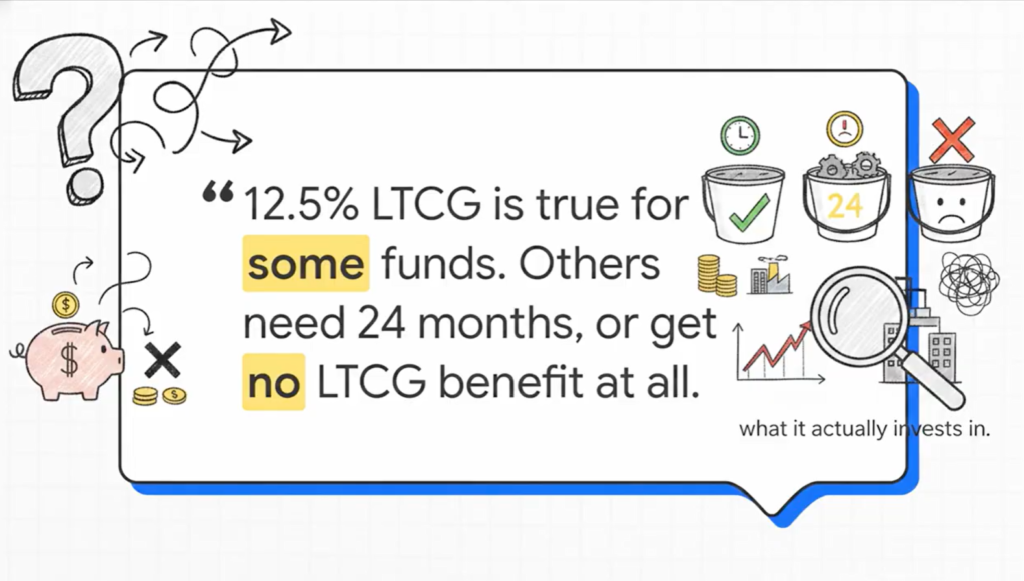
Taxation of Mutual Funds: The Three-Bucket Framework for FY 2025-26 Mutual fund taxation for FY 2025-26 operates as a three-bucket system, determined by what a fund actually invests in. Bucket A — equity-oriented funds (≥65% domestic equity) — use a 12-month holding period, with LTCG at 12.5% above a ₹1.25 lakh annual exemption and STCG at 20%. Bucket B — “Specified Mutual Funds” (debt-oriented, >65% debt/money market) — are always taxed at slab rate as deemed short-term gains, regardless of holding period. Bucket C — everything else, including 35–65% equity hybrid funds and, importantly, Gold/Silver ETFs/FoFs and international FoFs from FY 2025-26 onwards (a recent and favourable reclassification from Bucket B) — use a 24-month holding period with 12.5% LTCG (no exemption threshold) and slab-rate STCG. This guide also covers IDCW taxation as slab-rate income (with the Section 194K TDS threshold recently increased from ₹5,000 to ₹10,000), the FIFO principle’s interaction with SIPs/SWPs/STPs, equity grandfathering, loss set-off rules across buckets, and where to find Capital Gains Statements and CAS for filing.

Book an Appointment Form